

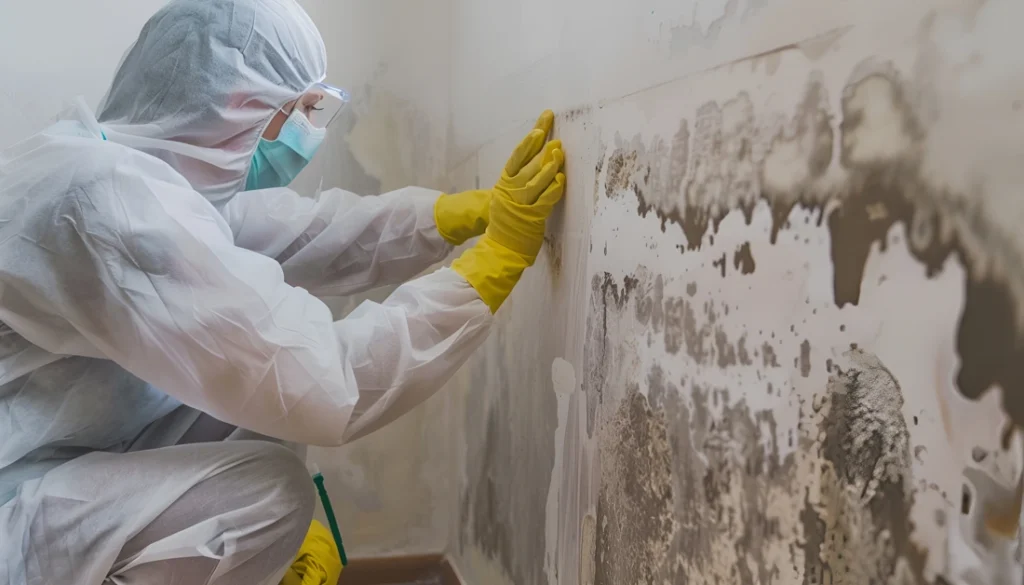
Damp and musty smells all point towards one thing: mold.
Living in New Jersey, you’ve probably dealt with this before. The summers here get humid, and lots of the homes are old. When is mold remediation required?
Well, it depends.
Sometimes you can handle it yourself. Other times, you need help. Let me break it down for you.
Mold Causes Serious Health Hazards
Many people tend to have environmental allergies. Mold triggers many of these.
Here’s what to watch for:
- Your nose won’t stop running or stay stuffed up
- You sneeze and cough more than usual
- Your eyes get watery and itchy
- Strange rashes show up on your skin
- Your asthma acts up more at home
- You get headaches and feel worn out
Here’s a simple test: do you feel better when you’re not at home? If yes, mold might be your problem.
When You Need to Call Someone?
The EPA draws a clear line here.
Got a small patch of mold that’s smaller than 10 square feet? You can probably tackle that yourself with the right gear and cleaners. But some situations mean it’s time to pick up the phone.
- Size. Once mold covers more than 10 square feet, you need the pros. They have the right equipment to get rid of it without making things worse.
- It’s in multiple rooms. When mold jumps from room to room, you need someone who knows how to contain it.
- Your heating or cooling system has mold. This is bad news because every time your system kicks on, it spreads mold spores all over your house.
- Sewage was involved. If sewage or really dirty water caused your moisture problem, you’re dealing with more than just mold. There are bacteria and other nasty stuff to worry about.
- Someone in your house has breathing problems. People with asthma, allergies, or weak immune systems shouldn’t mess around with mold.
- You tried to fix it, but it came back. When mold keeps returning, there’s usually a bigger moisture problem you haven’t found yet.
How Professionals Check for Mold?
When you call in a mold expert, they follow a pretty standard process.
- First, they’ll walk around and look for obvious mold and places where water might be getting in.
- They might take air samples to see if there are mold spores floating around that you can’t see. They also take samples from surfaces to figure out what kind of mold you’re dealing with.
- They use special tools, such as moisture meters, to find moisture hiding in your walls or ceiling. These tools can spot wet areas that might have mold growing where you can’t see it.
- At the end, they’ll give you a plan. This plan deals with the mold you can see and fixes whatever’s causing the moisture in the first place.
Stop Mold Before It Starts
The best way to deal with mold?
Don’t let it grow in the first place. Keep the humidity in your house between 30% and 50%. Use a dehumidifier or your AC to keep things dry.
Always make sure to fix leaks right away. Even tiny drips can turn into big problems if you ignore them. Keeping your gutters clean and making sure water flows away from your house is another simple yet effective way to prevent mold growth.
It’s also important to stay on top of basic maintenance. Change your air filters. Have someone check your ducts once a year. Keep an eye on places where water builds up and fix ventilation problems when you spot them.
All of these may seem like trivial things, but they have huge impacts.
What Do Mold Remediation Costs?
A few things determine how much you’ll pay for professional mold removal.
Bigger jobs cost more; that’s obvious. The type of surface makes a difference, too. It costs more to remove mold from drywall than from tile.
If the mold is hard to reach, you’ll pay more. Crawl spaces, attics, and behind walls all take extra time and special equipment. Severe mold problems need more safety gear and containment, which costs more.
There’s no right answer to this. The best way to get an accurate quote is by reaching out to a professional company that specializes in mold remediation and explaining your situation to them.
Also Read: How Much Does Mold Remediation Cost?
Don’t Wait Around. Handle Mold Right Away!
So, when is mold remediation required?
It all comes down to keeping your home safe and your family healthy.
Small mold problems? You can probably handle those yourself.
Big areas, health issues, or mold that keeps coming back? Time to call in help.
The trick is catching problems early and dealing with them fast.
Getting professional help means you can relax knowing the job’s done right. Good mold removal companies don’t just clean up what you see. They find and fix whatever’s causing the moisture that lets mold grow in the first place.
If mold is giving you trouble in your home, Mold Master Restoration can help. Our team knows the local climate and the challenges that come with it. We’ll protect your home’s value and keep your family healthy so you can get back to enjoying your space. Give us a ring today!