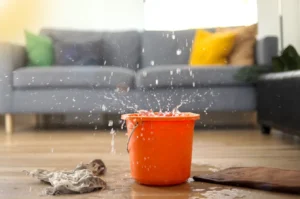

Water damage never gives any warning and can burst at any time. It could be due to a burst pipe, an overflowing washing machine, heavy rain, or a sewer backup. In such a scenario, it can ruin walls, floors, furniture, and affect your health.
If you notice even the slightest sign of water damage, do not ignore it and get immediate assistance for water damage restoration in NJ.
Not all water damage is the same. Professionals divide water damage into three main categories: Clean Water, Gray Water, and Black Water. Each category carries a different level of risk and requires a different approach for cleanup and restoration. In this blog, we will explain these three categories, their sources, health risks, and how they should be handled.
Water Damage Categories
Water damage categories describe how contaminated the water is. These categories help restoration experts decide the safest and most effective cleanup method. The cleaner the water, the lower the risk. The more polluted the water, the greater the danger to people and property.
The three water damage categories are:
- Clean Water
- Gray Water
- Black Water
Let’s explore each one in detail.
Category 1: Clean Water Damage
Clean water damage comes from a clean and sanitary source. This type of water does not contain harmful bacteria or contaminants at the time of release. Because it is the safest type, it usually causes the least health risk if handled quickly.
Common Sources of Clean Water
Clean water damage usually comes from:
- Broken or leaking water supply lines
- Burst pipes
- Overflowing sinks or bathtubs with no contaminants
- Rainwater leaks from roofs or windows
- Malfunctioning appliances like water heaters or washing machines
Even though this water starts out clean, it does not stay that way forever. If clean water sits for 24 to 48 hours, it can turn into gray water due to bacterial growth.
Risks of Clean Water Damage
Clean water damage may seem harmless, but it can still cause serious property damage. Water can soak into walls, floors, and furniture. Over time, it can weaken building materials and create the perfect environment for mold growth.
If clean water damage is ignored, it can lead to:
- Warped floors and walls
- Structural damage
- Mold and mildew
- Higher repair costs
How is Clean Water Damage Restored?
Restoration for clean water damage usually involves:
- Water extraction
- Drying and dehumidification
- Moisture detection
- Minor repairs if needed
Many homeowners attempt to handle clean water damage on their own. This is not the right approach. We suggest you hire a professional water damage restoration company in NJ to ensure hidden moisture is fully removed and future problems are prevented.
Category 2: Gray Water Damage
Gray water damage comes from water that contains some level of contamination. This water is not safe to drink or touch without protection. It may contain chemicals, bacteria, or other pollutants that can cause illness if ingested or if exposure is prolonged.
Common Sources of Gray Water
Gray water often comes from:
- Washing machines
- Dishwashers
- Toilet overflows with urine but no feces
- Sump pump failures
- Water from aquariums or waterbeds
Although gray water is less dangerous than black water, it still poses health risks and should be handled carefully.
Health Risks of Gray Water
Exposure to gray water can cause:
- Skin irritation
- Stomach illness
- Allergic reactions
- Respiratory problems
If gray water is left untreated, it can quickly become black water. Bacteria multiply rapidly in moist environments, increasing contamination levels.
Restoration Process for Gray Water Damage
Gray water damage requires more caution than clean water damage. The restoration process usually includes:
- Wearing protective equipment
- Removing contaminated materials
- Thorough cleaning and sanitizing
- Professional drying and dehumidification
Porous materials such as carpets, mattresses, and drywall may need to be removed if they are severely affected. This is why professional help is strongly recommended for gray water situations.
Category 3: Black Water Damage
Black water damage is the most dangerous type of water damage. This water is highly contaminated and can contain harmful bacteria, viruses, chemicals, and waste. Direct contact with black water can cause serious health problems.
Common Sources of Black Water
Black water usually comes from:
- Sewage backups
- Floodwaters from rivers or storms
- Toilet overflows containing feces
- Standing water that has been stagnant for days
- Water mixed with chemicals or industrial waste
Natural disasters such as hurricanes and severe storms often cause flooding.
Health Risks of Black Water
Black water poses severe health threats, including:
- Serious infections
- Gastrointestinal diseases
- Skin infections
- Respiratory illnesses
- Long-term health complications
Because of these risks, black water damage should never be handled without professional training and equipment.
How Black Water Damage Is Restored?
Black water restoration is a complex process that requires certified professionals. The steps often include:
- Full protective gear for technicians
- Complete removal of contaminated materials
- Deep cleaning and disinfection
- Industrial-grade drying equipment
- Odor removal and air purification
In many cases, large sections of flooring, drywall, and insulation need to be replaced. Trusted water damage restoration companies in NJ, like Mold Master Restoration, follow strict safety standards to protect both occupants and technicians.
Why Is It Important to Know Water Damage Categories?
Being a homeowner or businessman, it is important for you to know the water damage categories to make a smart decision at the right time. Each category determines:
- The level of health risk
- The type of cleanup required
- Whether materials can be saved or must be replaced
- The cost and length of restoration
Treating gray or black water like clean water can lead to serious health issues and long-term property damage. Proper classification ensures safe and effective restoration.
How Water Damage Can Change Categories?
Water damage categories are not fixed. Clean water can become gray water, and gray water can turn into black water if left untreated. Time, temperature, and exposure to contaminants all contribute to this change.
For example:
- A clean water pipe leak left for two days may become gray water
- Gray water soaking into carpets can quickly turn into black water
- Floodwater mixed with soil and waste is instantly black water
The Importance of Professional Water Damage Restoration
Many people underestimate the damage caused by water and delay cleanup. Unfortunately, water spreads fast and causes hidden damage behind walls and under floors. Professional restoration teams use advanced tools to detect moisture that is not visible to the eye.
Always hire a professional water damage restoration company in NJ to avail maximum benefits and avoid damage.
- Accurate water category assessment
- Safe and thorough cleanup
- Mold prevention
- Faster drying time
- Insurance claim assistance
Professionals follow industry standards to restore properties safely and efficiently.
Tips To Prevent Water Damage in Your Property
While not all water damage can be avoided, some preventive steps can reduce risk:
- Regularly inspect plumbing and appliances
- Clean gutters and downspouts
- Install a sump pump and backup system
- Seal windows and doors properly
- Act quickly at the first sign of water damage
Get Immediate Water Damage Restoration Services in NJ With Mold Master Restoration
Water damage is a major inconvenience as it can damage your property and threaten your health. If you neglect it, it can cost you thousands of dollars.
If you are dealing with water damage right now, do not waste a moment and call Mold Master Restoration. Our professionals handle all types of water damage, including clean, grey, and black water.
When you call us, our local team will reach you as soon as possible, identify the root cause of the water damage, remove the water, dry your property, and restore it as if nothing happened. They clean up all the mess and leave no sign of water damage.
Call us now for quick water damage restoration services in NJ.