

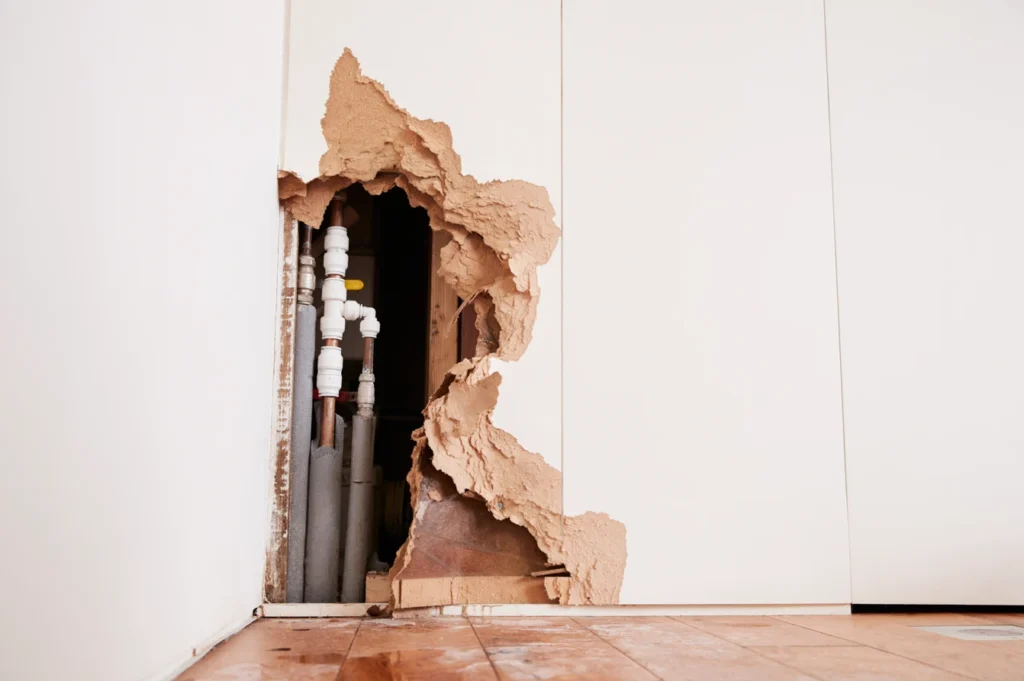
You come home after a long day. Something feels off. Then you see it. Water is pooling on the floor. Maybe it’s coming from a burst pipe. Maybe the basement flooded during last night’s storm. Either way, your heart sinks.
Water damage is one of the most stressful things a homeowner can face. It happens fast, and the longer it sits, the worse it gets. What starts as a wet floor can turn into ruined walls, destroyed belongings, and dangerous mold growth.
If you’re dealing with this situation, know the steps to handle water damage restoration in NJ to protect your home.
How Water Damage Happens?
Water can find its way into your home in a lot of different ways. Some causes are sudden and obvious. Others happen slowly over time without you noticing.
Common causes include:
- Burst or leaking pipes
- Appliance malfunctions, like washing machines or water heaters
- The roof leaks during heavy rain
- Basement flooding from storms or groundwater
- Sewage backups
- HVAC system issues
According to the Insurance Information Institute, water damage and freezing are among the most common homeowners’ insurance claims. It’s not a rare problem. It happens to thousands of families every year.
New Jersey gets its share of weather events. Heavy rain, nor’easters, and humidity all contribute to water issues in homes across the state.
When Water Damage Happens, Speedy Action is Vital?
When water gets into your home, the clock starts ticking. Every hour that passes, the damage spreads.
Within the first 24 hours:
- Drywall starts absorbing moisture
- Wood begins to swell and warp
- Metal surfaces start to tarnish
- Furniture and fabrics get saturated
After 48 hours:
- Mold can begin growing
- Paint and wallpaper start peeling
- Structural damage becomes more likely
- Odors develop and get worse
Mold can start growing on damp surfaces within 24 to 48 hours. Once it takes hold, it spreads quickly and creates health risks for everyone in the home.
That’s why professional water damage restoration in New Jersey emphasizes fast response times. The sooner the water gets removed and drying begins, the more of your home and belongings can be saved.
How Professionals Handle Water Damage Restoration in NJ?
Cleaning up water damage isn’t just about mopping the floor and hoping for the best. True restoration involves several important steps.
Here’s what a professional team typically does:
- Initial assessment – Technicians evaluate the extent of the damage and identify the water source.
- Water extraction – Powerful pumps and vacuums remove standing water as quickly as possible.
- Drying and dehumidification – Industrial fans and dehumidifiers pull moisture from walls, floors, and air.
- Cleaning and sanitizing – Affected areas get cleaned to remove contaminants and prevent mold.
- Restoration and repairs – Damaged materials like drywall, flooring, and insulation get replaced.
The Institute of Inspection, Cleaning, and Restoration Certification sets industry standards for water damage restoration. Professionals who follow these guidelines know how to handle all types of water damage safely and effectively.
Also Read: What Happens If You Delay Water Damage Restoration in NJ?
Categories of Water Damage
Not all water damage is the same. The source of the water affects how dangerous it is and how it needs to be handled.
- Category 1 – Clean Water: Comes from sanitary sources like broken pipes or overflowing sinks. Least dangerous but still needs prompt attention.
- Category 2 – Gray Water: Contains some contaminants. Comes from sources like dishwashers, washing machines, or sump pump failures.
- Category 3 – Black Water: Highly contaminated and dangerous. Comes from sewage backups, flooding from rivers or streams, or standing water that has become stagnant.
Category 3 water poses serious health risks and requires specialized handling. Professionals wear protective gear and use specific protocols to deal with this type of contamination.
Hidden Damage You Might Miss During Water Damage
The water you can see is just part of the problem. Moisture often gets into places you can’t easily access.
Common hidden damage spots include:
- Inside wall cavities
- Underflooring and subfloors
- Behind baseboards and trim
- Inside ceiling spaces
- Around and under cabinets
Moisture meters and thermal imaging help professionals find hidden water that visual inspection might miss. Leaving moisture behind leads to mold growth and structural problems down the road.
Don’t Miss Insurance and Documentation in Hassle
Most homeowners’ insurance policies cover sudden and accidental water damage. Flooding from outside sources usually requires separate flood insurance.
When damage happens, document everything. Take photos and videos before any cleanup begins. Keep records of damaged items and their approximate value. This information helps with your insurance claim.
A professional restoration company can also help with documentation. They provide detailed reports that insurance adjusters often need to process claims.
Tips To Avoid Water Damage
Once the immediate crisis is handled, think about prevention. Some steps can reduce your risk of water damage in the future.
Consider these protective measures:
- Inspect plumbing regularly for leaks or corrosion
- Clean gutters and downspouts to direct water away from your foundation
- Install a sump pump if your basement is prone to flooding
- Check appliance hoses and replace them if they show wear
- Know where your main water shutoff is located
Routine maintenance catches small problems before they become big ones. A little attention now can save you from major headaches later.
Water Hit Your Property? Call Mold Master Restoration
At Mold Master Restoration, we help homeowners across New Jersey recover from water damage. We respond quickly, bring the right equipment, and handle everything from water extraction to final repairs.
Our team understands how stressful this situation is. Your home is supposed to be your safe place. When water invades, that sense of security disappears.
We’ve seen what happens when people wait too long or try to handle things themselves. The damage spreads. Mold takes over. What could have been a manageable repair turns into a major renovation.
You’ve worked hard for your home. You’ve made it yours; therefore, watching water destroy it is painful. But the longer you wait, the worse it gets.
Don’t let water damage turn into something bigger. Call us today for professional water damage restoration in NJ. Let’s get your home back to the way it should be.