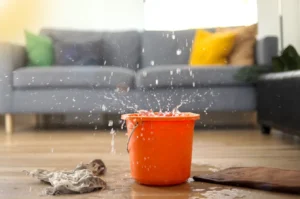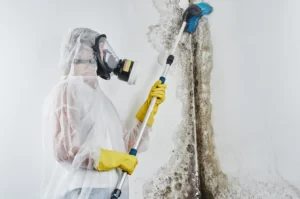

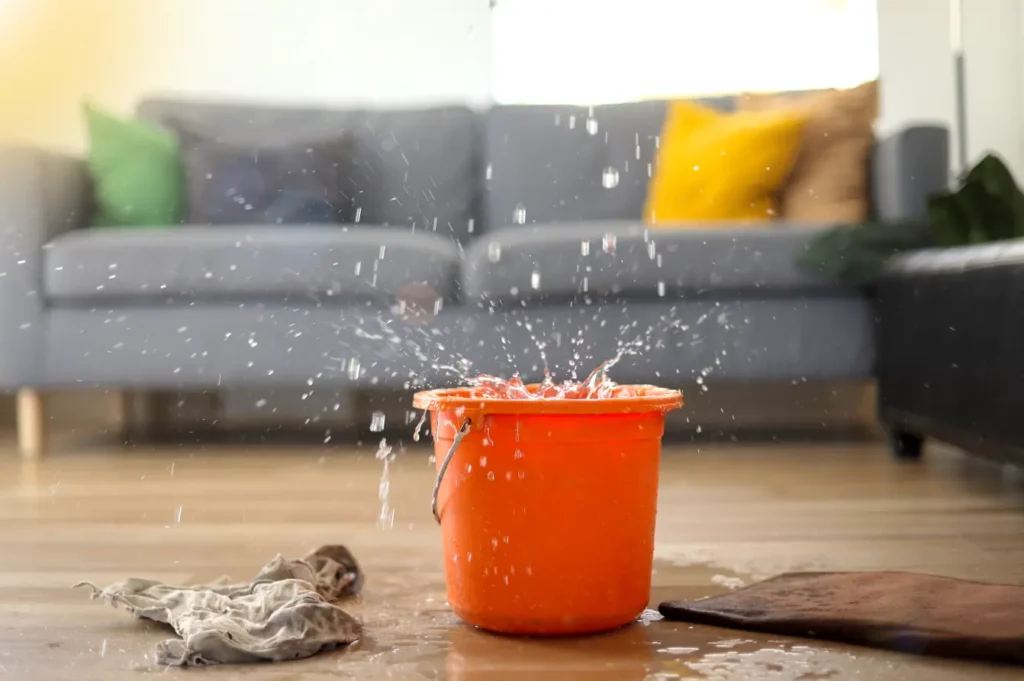
Water damage can turn a safe, comfortable property into a stressful and costly situation within hours. Whether the cause is a burst pipe, roof leak, flooding, or appliance failure, improper handling can lead to structural deterioration, mold growth, and long-term health risks. That’s why professional water damage restoration in NJ follows a proven framework developed by the Institute of Inspection, Cleaning and Restoration Certification (IICRC).
The IICRC sets globally recognized standards that restoration professionals follow to ensure water damage is handled safely, efficiently, and thoroughly. Understanding this step-by-step process not only helps property owners make informed decisions but also highlights why professional restoration is far more effective than DIY cleanup.
The Importance of IICRC Water Damage Standards
The IICRC guidelines are designed to protect both the structure of a building and the health of its occupants. These standards emphasize proper assessment, contamination control, moisture removal, and documentation. Restoration performed without these principles often leaves hidden moisture behind, which can cause mold growth, material failure, and recurring damage.
By following IICRC protocols, restoration teams ensure consistency, accountability, and measurable results throughout the recovery process.
Step 1: Emergency Contact and Rapid Response
Time is the most critical factor in water damage restoration. The moment water intrusion occurs, materials begin absorbing moisture, and damage escalates rapidly. According to IICRC principles, a quick response helps minimize secondary damage such as swelling, warping, and microbial growth.
Professional restoration begins with an emergency call, followed by immediate dispatch. During this stage, technicians gather preliminary details about the source of water, affected areas, and safety concerns to prepare appropriate equipment and protective measures.
Step 2: Inspection and Damage Assessment
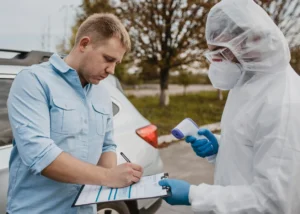
Once on site, restoration professionals perform a detailed inspection to evaluate the extent of the damage. This step is central to IICRC compliance because every restoration plan must be based on accurate data.
Technicians identify:
- The source of water and whether it has been stopped
- The affected materials and building components
- Moisture levels using professional meters and thermal imaging
- Potential health or safety risks
This assessment allows the team to classify the water damage properly and determine the best restoration approach.
Also read: How much does it cost for Water Damage Restoration?
Step 3: Water Classification and Category Determination
IICRC guidelines classify water damage based on contamination levels. Correct classification is essential because it directly affects safety procedures, equipment selection, and material handling.
Water damage typically falls into one of three categories:
- Clean water from a sanitary source, like a broken supply line
- Gray water containing contaminants from appliances or plumbing systems
- Black water that includes sewage, floodwater, or highly contaminated sources
Each category requires a different level of protective equipment, cleaning methods, and disposal protocols to ensure safe restoration.
Step 4: Water Extraction and Removal
After classification, the immediate removal of standing water begins. This step dramatically reduces drying time and prevents water from spreading further into structural materials.
Professionals use high-powered pumps and commercial-grade extraction units designed to handle both minor and severe water intrusions. IICRC guidelines stress that extraction must be thorough, as residual water can undermine the effectiveness of the entire restoration process.
The faster water is removed, the better the chances of saving flooring, walls, and furnishings.
Step 5: Controlled Drying and Dehumidification
Drying is not simply about blowing air around. According to IICRC standards, controlled drying involves balancing airflow, temperature, and humidity to remove moisture from materials without causing additional damage.
Specialized air movers direct airflow across wet surfaces, while industrial dehumidifiers pull moisture from the air to prevent condensation. Technicians continuously monitor moisture levels to ensure materials dry evenly and reach acceptable standards.
Improper drying can trap moisture deep inside building materials, leading to future mold problems, which is why this step requires professional expertise.
Step 6: Monitoring, Documentation, and Adjustments
IICRC-compliant restoration is a monitored process, not a one-time setup. Technicians regularly measure moisture levels and adjust equipment placement as conditions change.
Daily documentation is maintained to:
- Track drying progress
- Verify moisture reduction goals
- Support insurance claims
- Ensure compliance with industry standards
This documentation protects property owners by providing clear proof that restoration was handled correctly and completely.
Step 7: Cleaning, Sanitizing, and Odor Control
Once materials are dry, cleaning and sanitizing begin. Even clean water incidents can leave behind residues, while contaminated water requires more aggressive antimicrobial treatment.
IICRC guidelines emphasize:
- Cleaning all affected surfaces
- Using approved antimicrobial agents when needed
- Addressing odors caused by bacteria or organic matter
This step restores indoor air quality and ensures the environment is safe for occupants to return.
Step 8: Structural Repairs and Restoration
The final step is returning the property to its pre-damage condition. This may involve minor repairs, such as replacing drywall, or major reconstruction, depending on the severity of the loss.
IICRC principles require that any unsalvageable materials be properly removed and replaced, ensuring no compromised components remain hidden behind walls or under flooring. The goal is not just cosmetic repair but long-term structural integrity.
Why Following IICRC Guidelines Matters?
Water damage restoration performed without industry standards often results in incomplete drying, recurring moisture issues, and future mold growth. IICRC guidelines provide a scientific, proven framework that protects property value and occupant health.
For homeowners and business owners, choosing a restoration provider that follows these standards means:
- Faster recovery times
- Reduced risk of secondary damage
- Better insurance claim support
- Long-term peace of mind
Get Professional Water Damage Restoration in NJ Today
Get fast, reliable, and professional water damage restoration services in New Jersey with Mold Master Restoration.
Water damage can spread quickly, causing structural issues, mold growth, and costly repairs if not handled properly. Our experienced team responds promptly, assesses the damage thoroughly, and follows industry-approved restoration practices to protect your property and health.
From emergency water extraction and drying to complete cleanup and restoration, we handle every step with precision and care. Don’t let water damage disrupt your home or business. Contact us today for trusted, professional water damage restoration in NJ.