

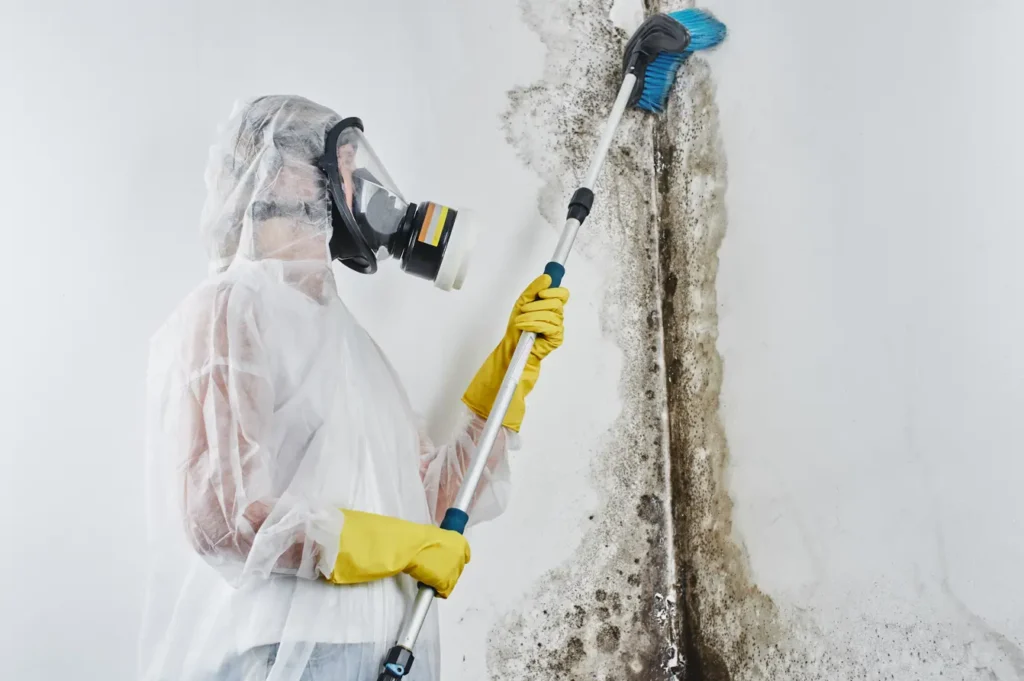
Mold problems are one of the most misunderstood issues homeowners face. When mold appears, people usually want it gone as quickly as possible. During that process, two terms are often used interchangeably: mold removal and mold remediation in NJ. Although they sound similar, they refer to very different approaches, and choosing the wrong one can lead to recurring mold, hidden damage, and ongoing health concerns.
Understanding the difference between mold remediation and mold removal is essential if you want a lasting solution instead of a short-term cosmetic fix. This guide breaks down both concepts, explains how they work, and helps you decide which option is right for your situation.
Why Mold Is a Persistent Problem in Homes?
Mold is a naturally occurring organism that thrives in moist environments. Bathrooms, basements, crawl spaces, and areas affected by water damage are especially vulnerable. Mold spreads through microscopic spores that are always present in the air, both indoors and outdoors. Because of this, it is impossible to completely eliminate mold from any building.
What matters is not eliminating mold entirely, but controlling it. This reality is the foundation of why mold remediation in NJ exists and why simple mold removal often fails in the long run.
What’s Included in Mold Removal?
Mold removal focuses on eliminating visible mold growth from surfaces. This approach typically involves cleaning affected areas or removing materials that show mold contamination. In many cases, homeowners attempt mold removal themselves using household cleaners or bleach.
While mold removal can make surfaces look clean, it usually addresses only what can be seen. It does not deal with mold spores in the air, hidden mold behind walls, or the underlying moisture issue that caused the mold in the first place. As a result, mold often returns even after thorough surface cleaning.
Mold removal may be appropriate for very small, isolated areas, especially when the moisture problem has already been resolved. However, it should not be mistaken for a complete or permanent solution.
What Mold Remediation Involves?
Mold remediation is a comprehensive process designed to manage mold growth safely and prevent it from coming back. Instead of focusing solely on visible mold, remediation addresses the entire environment that allows mold to grow.
The goal of mold remediation is to reduce mold levels to a safe, natural state while improving indoor air quality. This process includes identifying moisture sources, containing affected areas, filtering contaminated air, and treating or removing affected materials when necessary.
Unlike mold removal, remediation recognizes that mold spores cannot be eliminated entirely and focuses on long-term control rather than temporary cleanup.
The Difference Between Mold Remediation and Mold Removal
The main difference between mold remediation and mold removal lies in scope and effectiveness. Mold removal is reactive; it deals with mold that has already appeared. Mold remediation is proactive; it prevents mold from spreading and returning.
Mold removal treats mold as a surface problem. Mold remediation treats mold as an environmental issue that affects air quality, structural materials, and occupant health. This distinction is why remediation is considered the industry standard for serious or recurring mold problems.
Also Read: How to Choose a Trusted Mold Remediation Contractor in NJ?
How Professional Mold Remediation Works?
Professional mold remediation follows a structured and carefully controlled process. It begins with a detailed inspection to identify the extent of mold growth and locate moisture sources. This step is crucial, as mold cannot be controlled without addressing the moisture that feeds it.
Once the affected areas are identified, containment measures are put in place. This prevents mold spores from spreading to clean areas of the building during the remediation process. Air filtration systems equipped with HEPA filters are used to capture airborne spores and improve indoor air quality.
The next step involves cleaning or removing contaminated materials, depending on the severity of the mold damage. Non-porous surfaces can often be cleaned and treated, while porous materials like drywall or insulation may need to be removed. After cleaning, antimicrobial treatments are applied to discourage future mold growth.
Finally, the underlying moisture problem is corrected. Without this step, even the best remediation efforts will fail over time.
Health and Safety Considerations
One of the most important reasons to choose mold remediation over simple mold removal is health protection. Mold exposure can trigger allergic reactions, respiratory issues, and asthma symptoms. Prolonged exposure may be especially harmful to children, elderly individuals, and people with weakened immune systems.
Mold remediation improves indoor air quality by removing airborne spores and preventing further contamination. Mold removal alone does not provide this level of protection, which is why it is often insufficient in occupied spaces.
Cost Differences and Long-Term Value
At first glance, mold removal may seem like the cheaper option. It typically requires less equipment and labor, especially for small areas. However, because it does not address root causes, mold often returns, leading to repeated cleaning and additional costs.
Mold remediation usually has a higher upfront cost, but it offers long-term value. By addressing moisture issues, hidden mold, and air quality, remediation reduces the risk of future mold problems and expensive repairs. In many cases, proper remediation ends up being more cost-effective over time.
When Mold Removal May Be Enough?
There are situations where mold removal can be sufficient. Small mold spots on non-porous surfaces, such as tile or glass, may not require full remediation if the moisture source has already been fixed. In these cases, careful cleaning may resolve the issue.
However, even in minor cases, professional evaluation is recommended to ensure mold is not spreading behind surfaces or through the air.
When Mold Remediation Is the Better Choice?
Mold remediation is necessary when mold keeps coming back, when there has been water damage or flooding, or when mold is suspected in hidden areas like walls or HVAC systems. Persistent musty odors, unexplained health symptoms, and widespread mold growth are all signs that remediation is needed rather than simple removal.
In these situations, surface cleaning will not solve the problem and may even make it worse by spreading spores.
DIY Mold Cleanup vs Professional Remediation
Many homeowners attempt DIY mold cleanup using bleach or store-bought products. While this may work for very small areas, it often fails on porous materials and does nothing to address airborne spores or moisture issues.
Professional mold remediation uses specialized equipment, industry-approved methods, and trained technicians to ensure safe and effective results. For anything beyond minor surface mold, professional remediation is the safer and more reliable option.
Reach Out to Mold Master Restoration for Mold Removal or Mold Remediation in NJ
If you are a resident of NJ and need mold removal or remediation service, Mold Master Restoration is at your service. We’ve been in this industry for years, providing mold remediation for commercial and residential properties. Our team inspects the mold and applies the best techniques to remove every bit of it.
Call us now and get a quote.